The Meaning of Double Happiness in Chinese Paper Cutting
What does Double Happiness mean in Chinese paper cutting? Meet the wedding symbol shuangxi, its origin story, and how it is cut and displayed at a wedding.
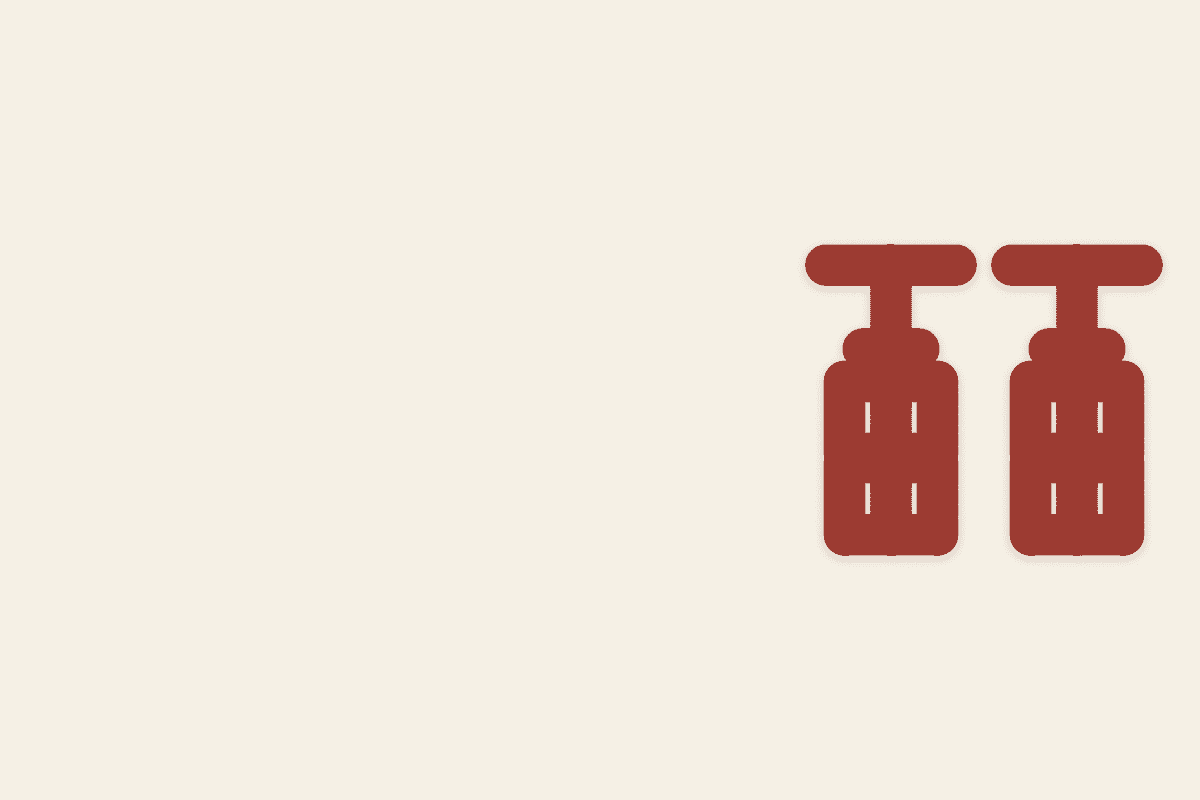
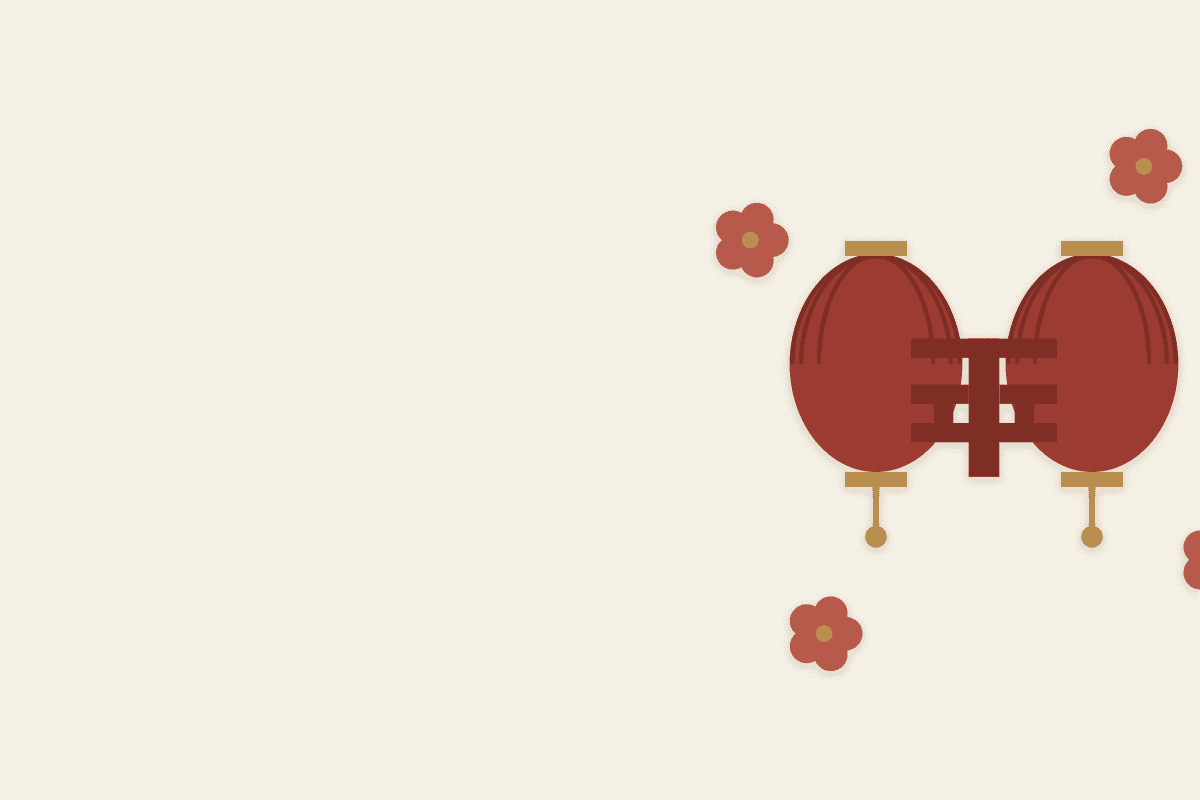
Double Happiness, the character shuangxi (囍), means exactly what it looks like: two characters for happiness, xi (喜), joined side by side into a single symbol of doubled joy. In Chinese paper cutting, it is the great wedding emblem — the red cutting that hangs on the wall of the bridal chamber, pasted on doors, and printed on the invitations. Where a wedding is taking place, shuangxi is never far away. For anyone outside the culture, it is also the easiest symbol to learn: two identical shapes, joined — no pun, no hidden meaning, just joy written twice.
The meaning of Double Happiness is deliberately simple and complete: joy, doubled. One happiness is a good day; two together is a marriage, a household, a future. That is why the symbol is cut from a single folded sheet — the two halves are created at the same moment, mirror images of each other, one for each partner.
How to Read the Character
The character repays a closer look. Each xi (喜) is a square of twelve strokes — a top section that suggests a drum with its decorative crown, and below it a mouth. Read the old explanations together and the image is of joy loud enough to be announced: a drum struck, a mouth raised in laughter. Doubled, the two squares sit side by side in perfect balance, and the whole becomes a single new character with its own name, shuangxi, rather than two characters simply placed together. Paper cutting artists love this structure because the squares give the design a stable frame: the strokes are short, straight, and easy to connect, which is why shuangxi is one of the first characters a beginner learns to cut and one of the most requested motifs by collectors.
The Legend of Wang Anshi
The symbol carries a story, and the story is told at every Chinese wedding. According to popular legend, the Northern Song dynasty scholar Wang Anshi (王安石) traveled to the capital for the imperial examinations. On the way, he passed a house where a family was offering a daughter in marriage to anyone who could complete a couplet. The first line was written out and waiting; no one had matched it.
Wang Anshi completed the couplet, won the bride, and then learned he had also passed the examinations. In a single journey he gained a wife and an official career — two joys at once. He is said to have written the doubled character on the spot: two 喜 joined, one for the marriage, one for the examination. Whether or not the legend is true, it explains what the symbol means to Chinese families: not just romance, but good fortune arriving in pairs. The story survives because it captures that feeling exactly — two joys, arriving on the same road.
Where Shuangxi Appears
Double Happiness is the most visible character in Chinese wedding culture, and paper cutting gives it its most beautiful form. The classic uses:
- The bridal chamber — a large red shuangxi cutting hung on the wall, the centerpiece of the wedding room.
- Doorways and windows — paired shuangxi cuttings, one on each side of the entrance, announcing the celebration to the neighborhood.
- Wedding gifts — small cuttings tucked into gift boxes, or the symbol printed on envelopes and favors.
- Embroidery — the character stitched onto the bride's pillows, quilts, and wedding clothes, using paper cuttings as the stencil.
- Invitations and place cards — the symbol in red, cut or printed, marking every stage of the celebration.
The largest shuangxi cuttings are made to be pasted on the wedding hall's main wall, and in some regions the character is also cut in gold paper and laid inside the couple's chest of dowry.
The cutting is almost always accompanied by supporting motifs — peonies for wealth and honor, the phoenix and dragon pair for harmony, lotus for purity — but shuangxi remains the center of the design. Every other element is there to hold up the two characters.
How Artists Cut It
Technically, Double Happiness is a showcase for the folded-paper method. The cutter folds the sheet in half, draws one half of the character, and cuts the folded stack — opening the sheet reveals both halves, perfectly mirrored, joined at the center. The symmetry is not a convenience; it is the point. The character is a visual marriage, and the fold is the ceremony.
The design also has to respect the craft's universal rule: every part must stay connected. The square structure of the character helps — the horizontal strokes provide natural bridges — but artists still add loops and latticework around the characters, partly for beauty and partly to keep the frame stable.
A Wedding in Paper: The Bridal Chamber
Walk into a traditional Chinese wedding room on the morning of the celebration and you will see the whole tradition at work. The large shuangxi cutting hangs on the wall above the bed — the exact center of the room — often surrounded by cuttings of peonies, lotus, and pairs of fish. The windows carry small round shuangxi pieces, and the door frames repeat the character. The bed itself is prepared with new quilts embroidered with shuangxi, their patterns traced from paper stencils. Nothing in the room is decorative by accident: every piece faces inward toward the couple, and every motif adds a wish — wealth from the peonies, purity from the lotus, plenty from the fish. The paper cutting is the smallest item in the room and the one that carries the most meaning.
Beyond the Wedding
Shuangxi has outgrown its wedding role in modern life. It appears at anniversaries, on New Year decorations, and in homes where couples want the symbol of partnership on the wall. It is also one of the most popular motifs for export paper cutting, because its meaning needs no translation: two forms, joined, doubled joy.
There is a gentle etiquette to giving it, worth knowing if you are buying one as a gift. The symbol belongs to celebration — a wedding, an anniversary, a new home. It is not a neutral decoration, and Chinese friends will read it as a wish for the couple it is given to. Given with that intention, it is one of the warmest gifts in the paper cutting tradition. A home that hangs shuangxi is a home declaring its own happiness, and guests read it as a greeting rather than a display.
The Symbol That Says Everything
In a craft full of puns and hidden meanings, Double Happiness is unusual: it says everything it means in plain sight. Two identical characters, joined and cut from a single sheet of paper, speak of partnership more directly than any poem. That is why it has survived fourteen centuries of weddings, and why it is still the first cutting a Chinese family buys when a child marries.
Our Double Happiness paper cuttings are cut by hand in the traditional way — folded, mirrored, and joined — in sizes from gift-box cards to large bridal-chamber pieces, with options to add the couple's names or wedding date to a custom design.